Metro Vancouver’s Water Future — Why Smarter Irrigation Matters More Than Ever
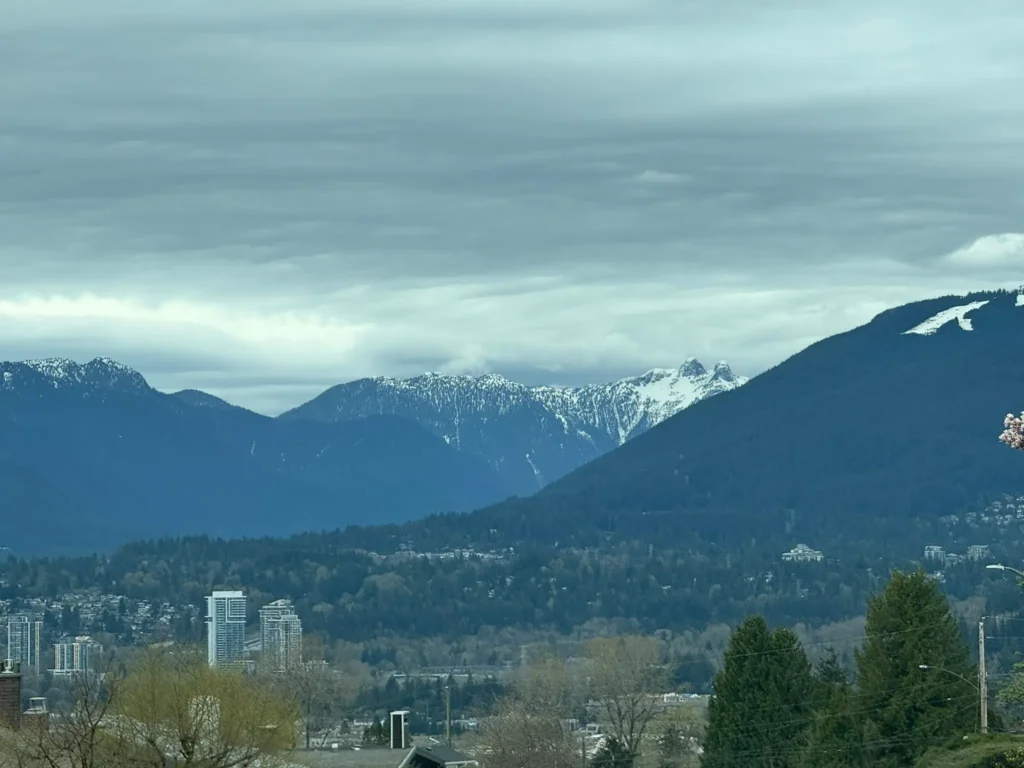
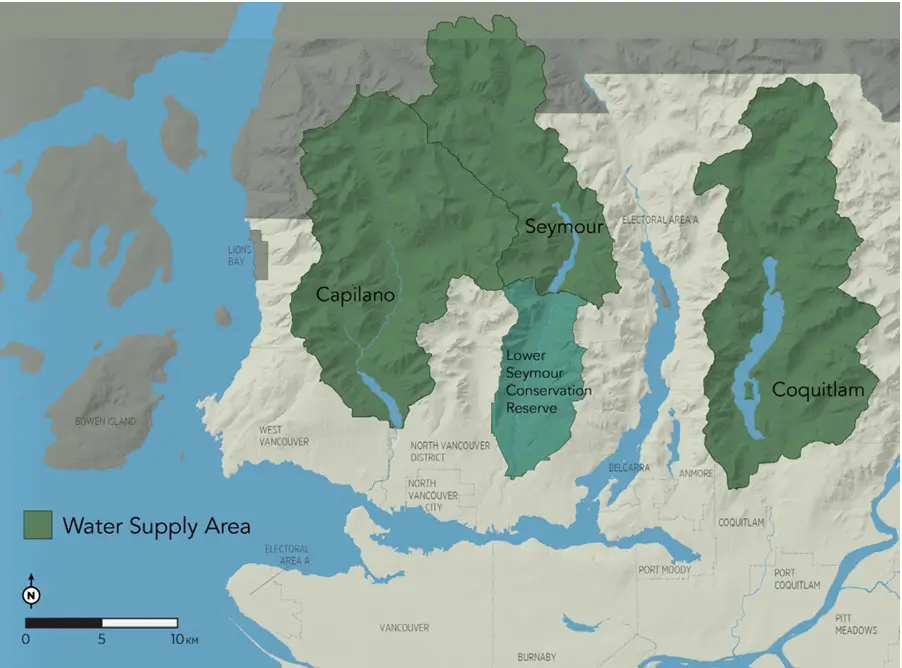
Metro Vancouver’s drinking water system is unique compared to many other cities.
Instead of relying on groundwater, the region depends on three protected mountain watersheds:
- Capilano Reservoir
- Seymour Reservoir
- Coquitlam Reservoir
These reservoirs collect rainfall throughout the winter and store it for the year ahead.
But rainfall alone does not sustain the system. A significant portion of the summer supply depends on snowpack stored in the surrounding mountains, which melts gradually and replenishes reservoirs during spring and early summer.
This natural cycle helps ensure water remains available when the region enters its driest months.
A Growing Concern: Metro Vancouver’s Shrinking Snowpack
Hydrological data from early 2026 shows a troubling trend.
Snowpack in the South Coast basin, which supplies Metro Vancouver’s drinking water system, sits at only about 61–63% of normal levels.
This means the mountains are storing far less water than usual for the upcoming summer.
While reservoirs may appear full in winter—thanks to rainfall—they depend heavily on snowmelt to replenish them during the dry season. When snow melts too early or fails to accumulate, the system loses its natural buffer.
In practical terms, that means:
• Less water flowing into rivers during summer
• Faster reservoir drawdown during heat waves
• Higher risk of severe watering restrictions
• Greater pressure on regional water infrastructure
And with climate models predicting hotter summers and more volatile weather patterns, these challenges are expected to intensify.
Why Summer Irrigation Plays a Critical Role
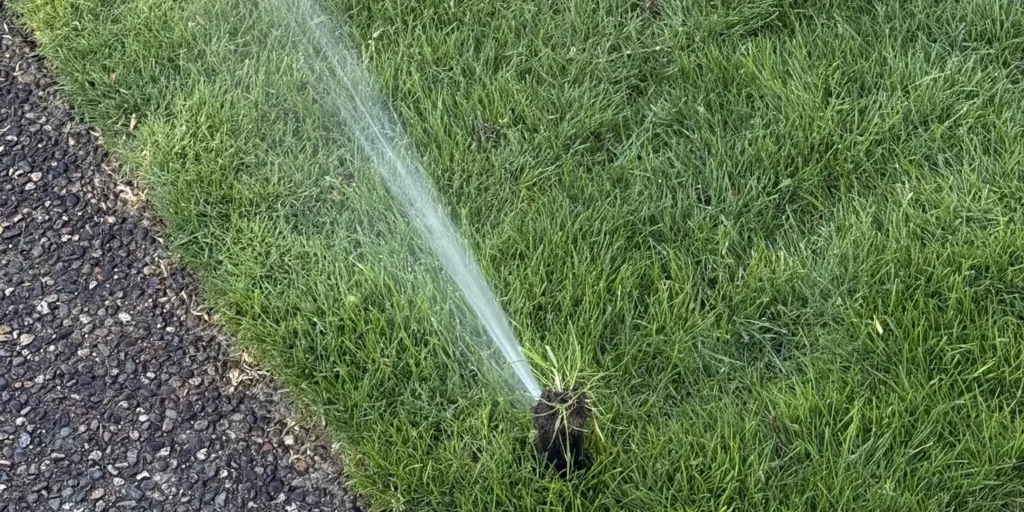
A major contributor to that spike is lawn irrigation.
The timing makes this especially critical:
- Peak irrigation demand occurs during the hottest weeks
- Reservoir inflows are at their lowest
- Snowmelt contributions are already declining
In other words, irrigation demand peaks exactly when the system is most vulnerable.
This is why Metro Vancouver automatically implements Stage 1 water restrictions every May 1st, limiting lawn watering to one morning per week.
If reservoir levels drop faster than expected, restrictions can escalate to Stage 2 or Stage 3, which may include complete lawn watering bans.
The Hidden Problem: Inefficient Irrigation Systems
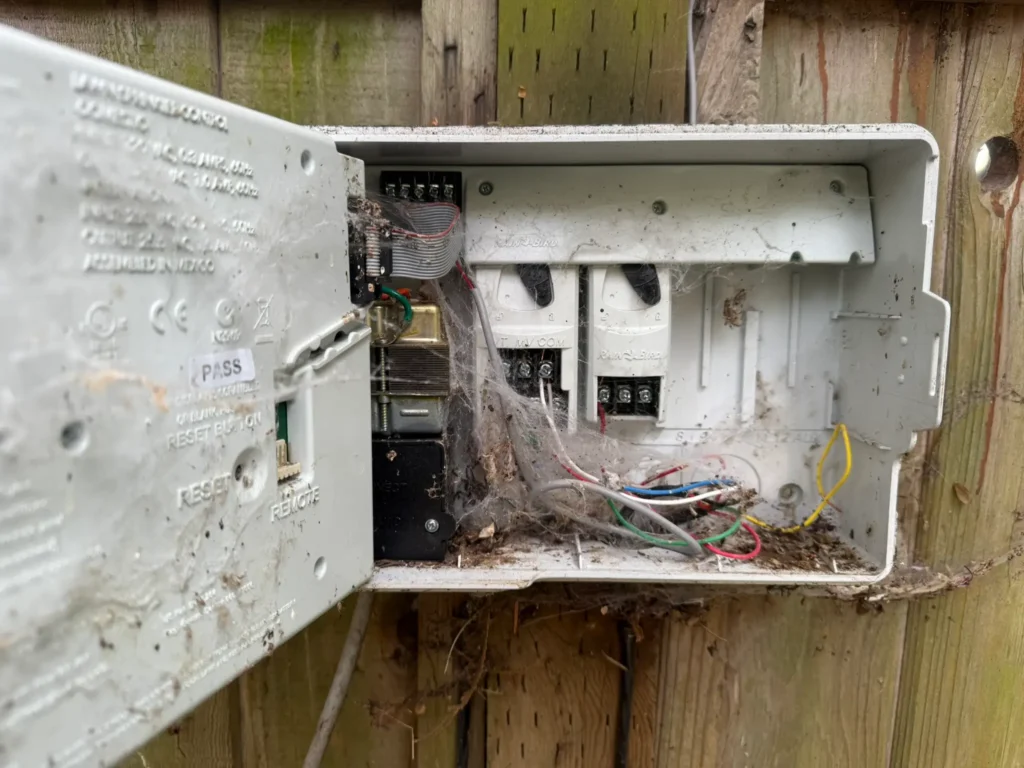
Most homeowners want to conserve water. But many irrigation systems installed decades ago were never designed with water efficiency in mind.
Common issues include:
Poor System Design
- Overspray onto sidewalks and driveways
- Mixed zones watering plants with different needs
- Sprinklers applying water faster than soil can absorb
Outdated Equipment
- Old spray heads that waste water through misting
- Controllers without weather-based adjustments
- Systems running on fixed schedules regardless of conditions
Maintenance Problems
- Broken heads or leaking valves
- Misaligned sprinklers
- Clogged filters or pressure issues
Even small inefficiencies add up.
Across thousands of homes, poorly performing irrigation systems can place significant unnecessary demand on the regional water supply.
The good news?
There is a much better way to irrigate lawns.
Smarter Irrigation Is Becoming Essential
As weather patterns become more unpredictable and summers become warmer, efficient irrigation practices are becoming increasingly important.
Fortunately, modern irrigation technology has evolved significantly over the past decade.
Today’s systems can include:
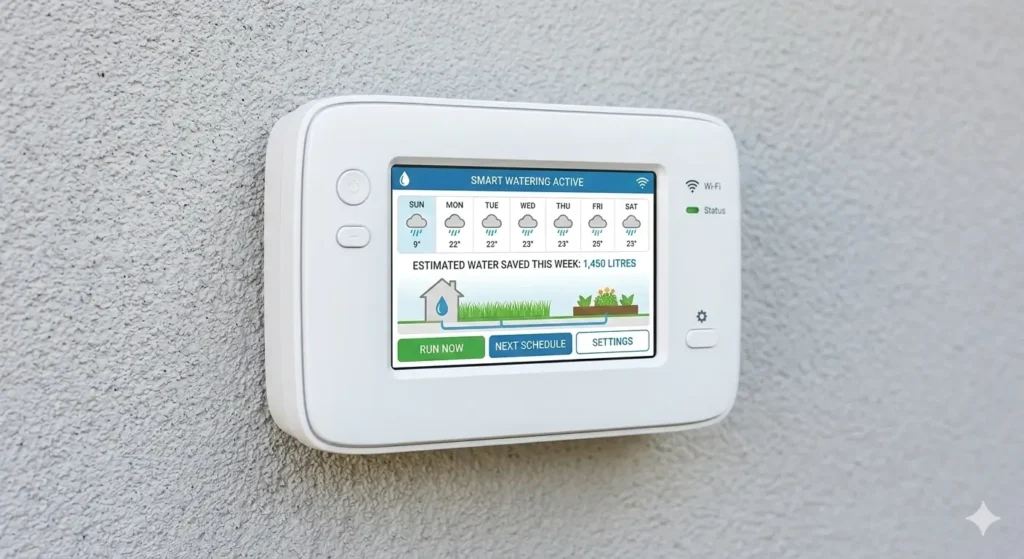
• Smart irrigation controllers that adjust schedules based on weather
• Drip irrigation systems that deliver water more precisely
• Improved system design that reduces runoff and overspray
• Pressure regulation and high-efficiency nozzles
When irrigation systems are designed and maintained properly, landscapes can remain healthy while using significantly less water.
A Promising Direction: Subsurface Irrigation
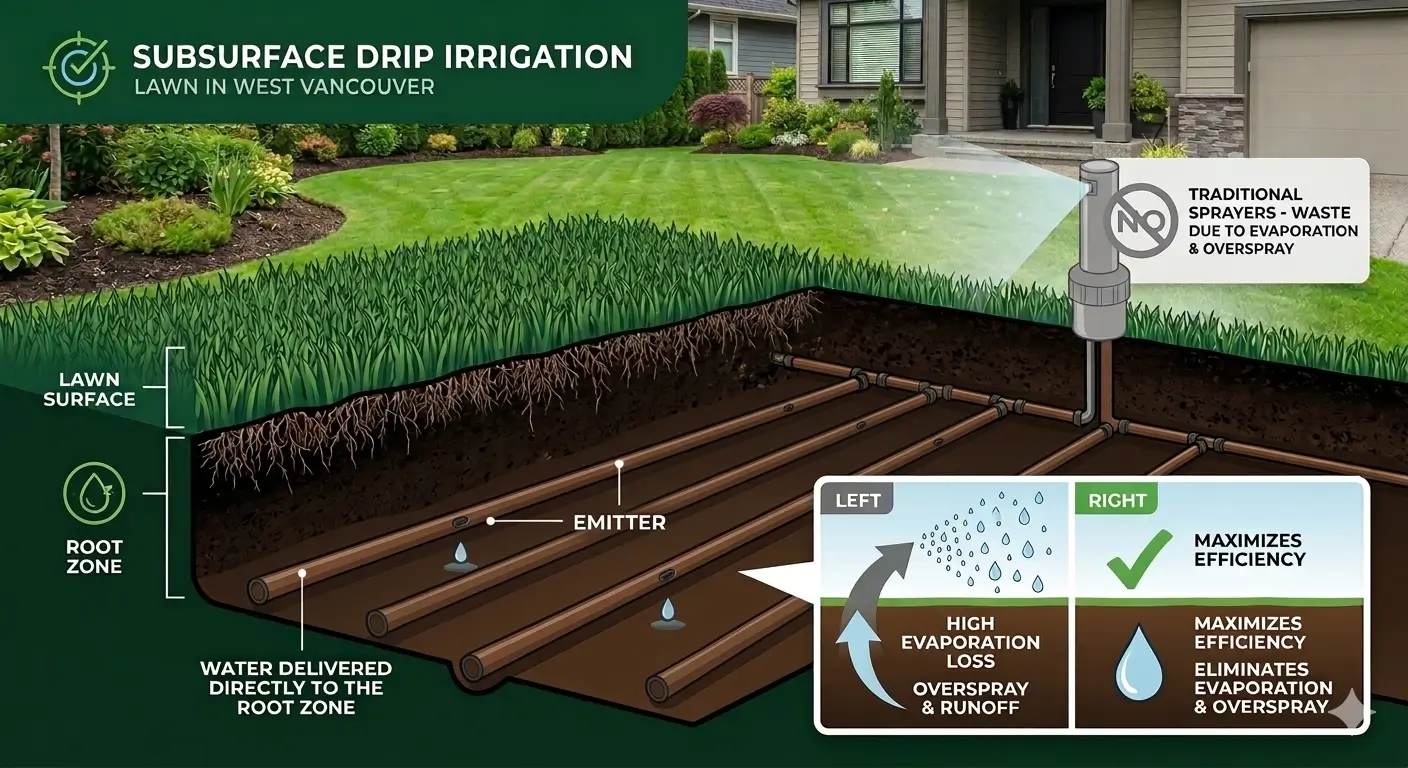
One approach that is gaining attention in modern irrigation design is Subsurface Drip Irrigation (SDI).
Unlike traditional sprinklers that spray water above ground, SDI systems deliver water directly beneath the soil surface, closer to the root zone of the lawn. By applying water underground, these systems can significantly reduce evaporation and eliminate overspray.
Because of their efficiency, subsurface systems are increasingly being explored as a long-term solution for sustainable lawn irrigation in regions where water conservation is becoming more important.
A dedicated page on this site will soon explore this technology in detail, including installation methods, performance, and how it compares to traditional sprinkler systems.
Responsible Irrigation Starts With Good Design
Protecting Metro Vancouver’s water supply does not mean eliminating landscapes or lawns.
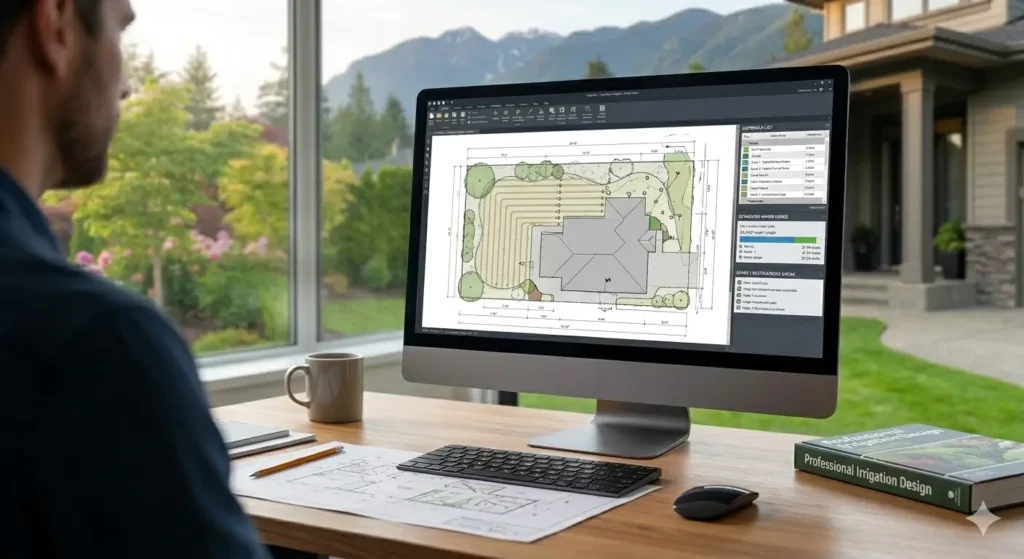
It means designing irrigation systems that use water intelligently.
Well-designed systems can:
- Deliver water where plants actually need it
- Reduce evaporation and runoff
- Adjust to weather conditions automatically
- Operate within regional water restrictions
For homeowners, this often means evaluating existing systems, upgrading outdated components, and considering more efficient irrigation technologies.
Looking Ahead
Metro Vancouver is investing billions of dollars in water infrastructure to secure the region’s long-term water supply. But infrastructure alone cannot solve the challenge.
As climate patterns shift and snowpack becomes less predictable, how we use water at the household level will play an increasingly important role.
Responsible irrigation practices—combined with modern system design—can help reduce unnecessary demand while keeping landscapes healthy.
For homeowners across North Vancouver, West Vancouver, Vancouver, and Bowen Island, smarter irrigation is not just about convenience.
It is about protecting one of the region’s most valuable resources.