Advanced Drip Irrigation Zone Planner

Design your drip irrigation system with confidence.

Whether you’re converting sprinklers to drip irrigation, installing a new garden, or planning a landscape upgrade, our Advanced Drip Irrigation Zone Planner helps you estimate dripline specifications, zone requirements, and material needs based on your project conditions.

The tool is free to use and is designed for homeowners, gardeners, landscapers, and DIY enthusiasts looking for a practical starting point.

⚠️Before You Start

This planner provides estimated dripline recommendations, zone requirements, and material lists for residential drip irrigation projects.

Results are intended as a guide only and may vary based on site conditions, water pressure, flow rate, and garden layout.

Material quantities are estimates. Projects with more than two irrigation zones or complex layouts should be professionally designed.

Advanced Drip Irrigation Zone Planner

Professional Hydraulic Calculation Engine & Dynamic Material Bill-of-Materials Generator
1
Source
2
Area Type
3
Sizing
4
Soil Profile
5
Flora
6
Exposure
7
Hydraulics

Step 1: Water Source Options

How are you supplying water to the system? This allows our configuration engine to choose correct sub-assembly parts.

Distance From Water Source To Irrigated Area (ft)

Existing Sprinkler Head Emission Type

1. How will your drip system be supplied?

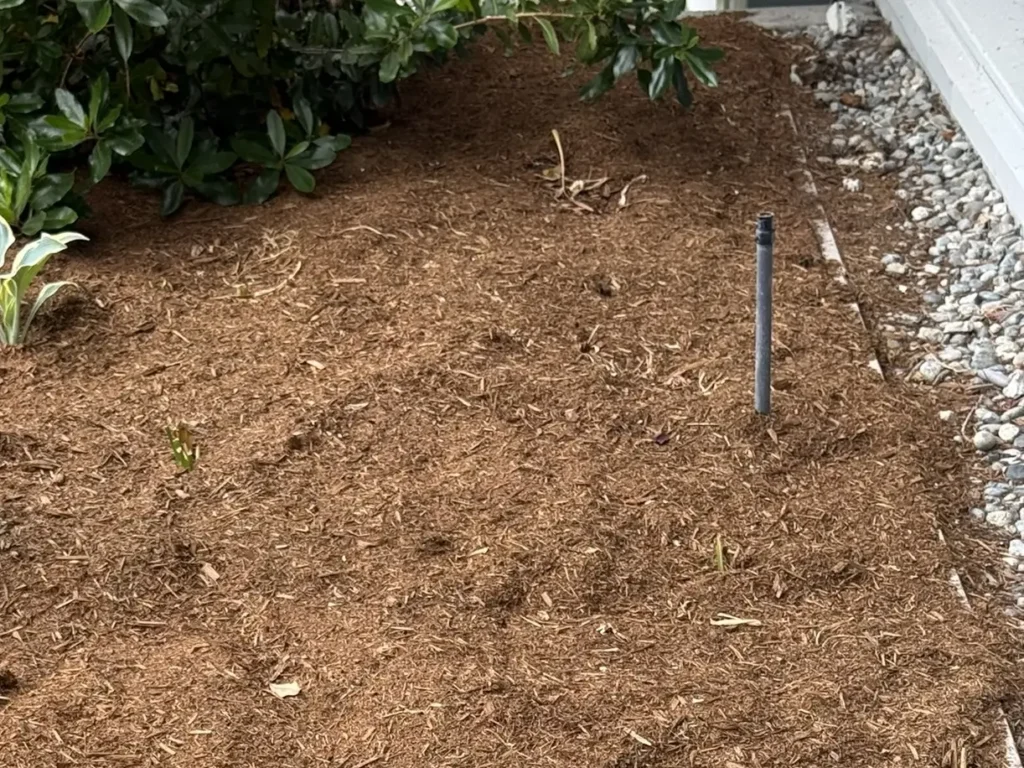
A single vertical sprinkler riser pipe protruding from a freshly mulched garden bed next to a river rock border, prepared for a retrofit drip irrigation conversion.

Existing Sprinkler Zone

💧You already have sprinklers and want to convert the zone to drip irrigation.
💧Best for sprinkler-to-drip conversion projects.

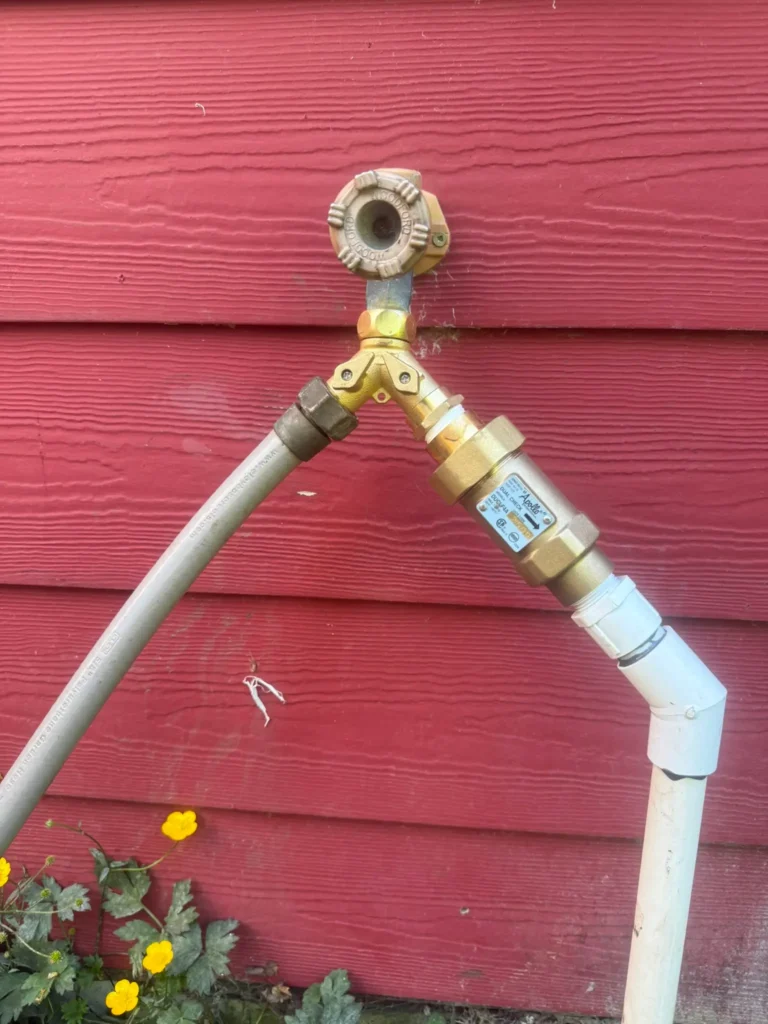
An outdoor hose bib faucet with a brass Y-splitter connecting a grey garden hose and an Apollo dual-check backflow preventer assembly leading into a white PVC drip irrigation pipe against a red wood wall.

Hose Bib (Outdoor Tap)

💧You want to connect the system directly to a garden faucet.
💧Common for DIY garden beds, raised beds, and small projects.

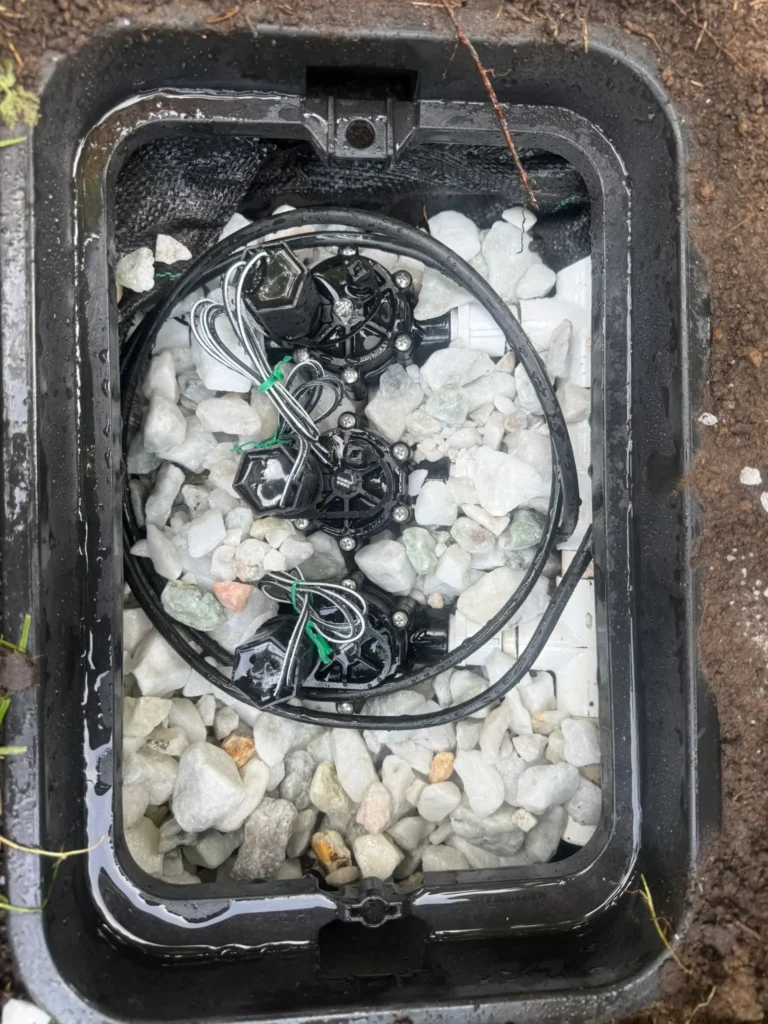
An overhead view of an open black plastic valve box installed in the ground, containing three automatic inline irrigation valves surrounded by white gravel or marble chips with coiled low-voltage wiring.

New Dedicated Irrigation Zone

💧You are installing a new valve and dedicated drip irrigation system.
💧Best for larger landscapes and permanent installations.

2. What are you irrigating?

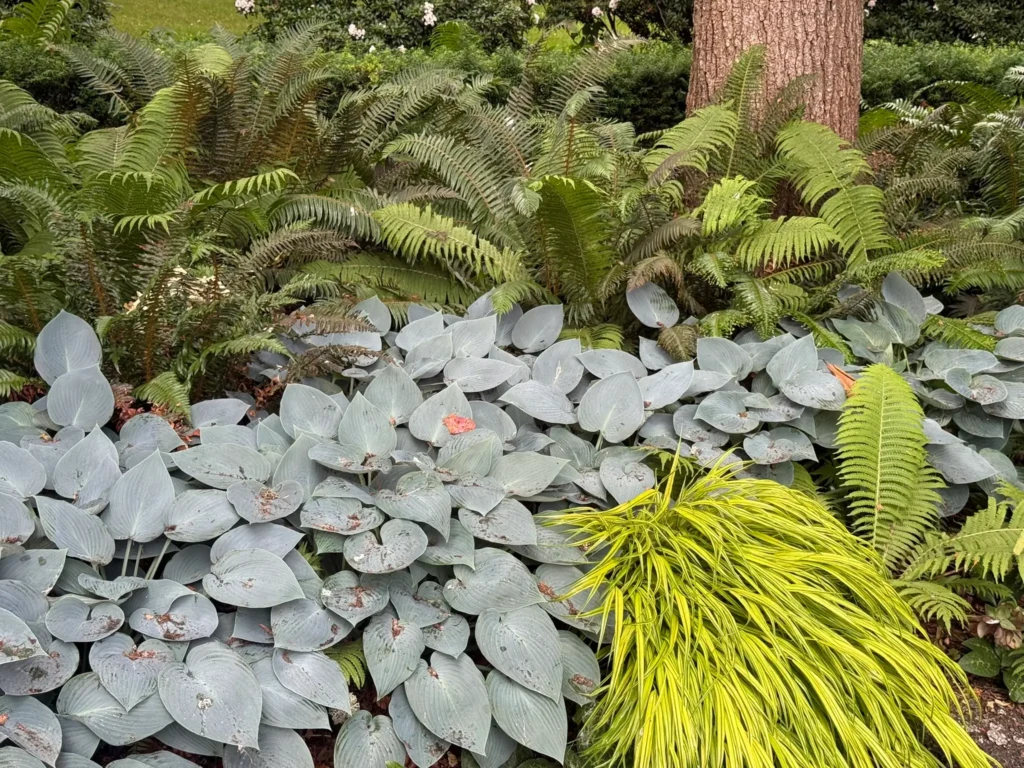
A dense, mixed shade garden bed featuring large blue-grey hostas, lush green sword ferns surrounding a tree trunk, and vibrant chartreuse Japanese forest grass in the foreground.

Dense shrubs or mixed beds

🌱choose Shrub / Mixed

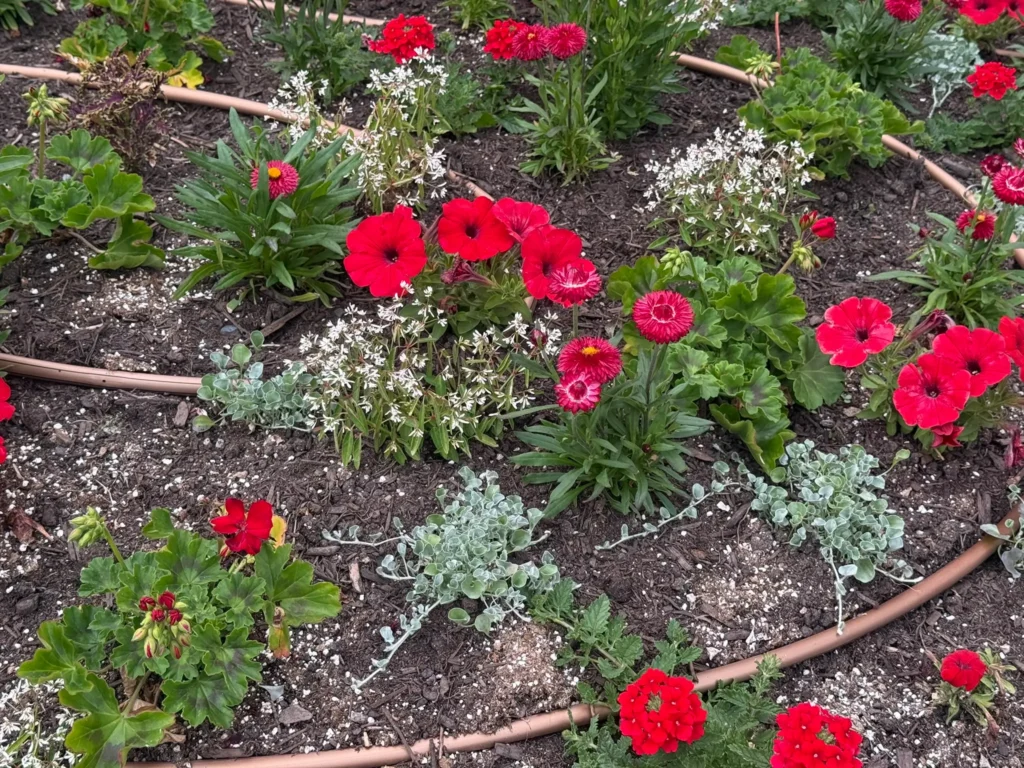
A curated flower bed filled with dark soil, red petunias, bright red geraniums, and delicate white accent flowers, neatly bordered by a brown flexible inline drip irrigation tubing ring.

Flowers or low planting

🌱 choose Flower Bed

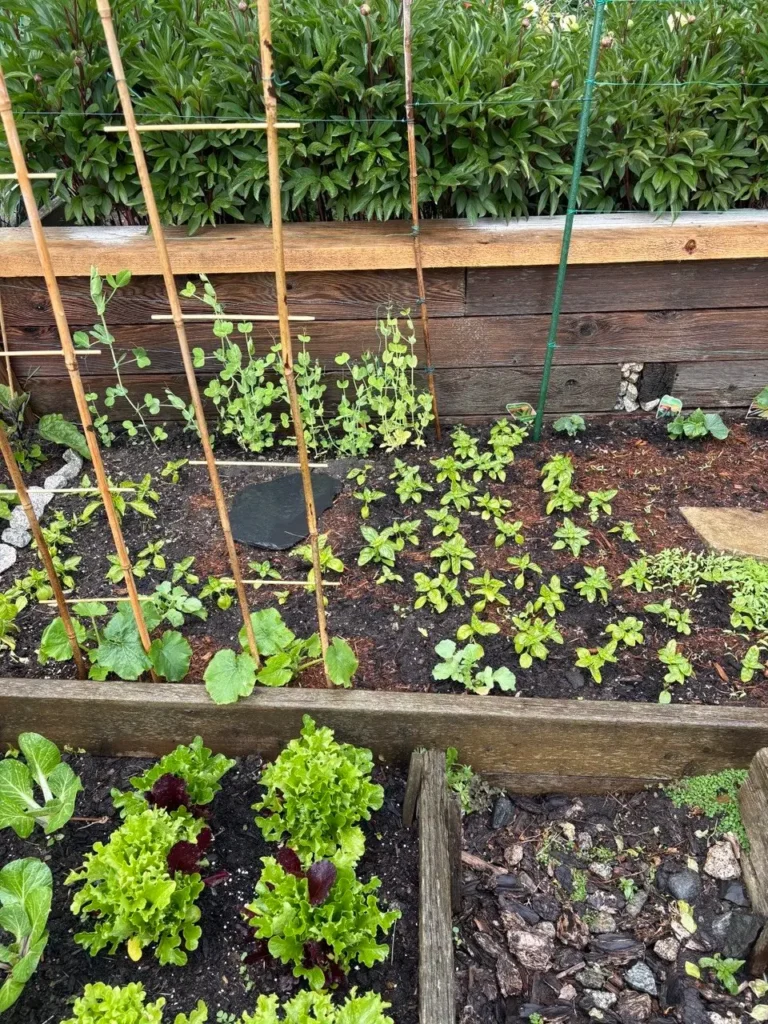
A multi-tiered wooden raised garden bed filled with dark soil, growing leafy green lettuce, young basil plants, climbing peas on bamboo trellises, and small squash vines.

Vegetables

🌱choose Vegetable Garden

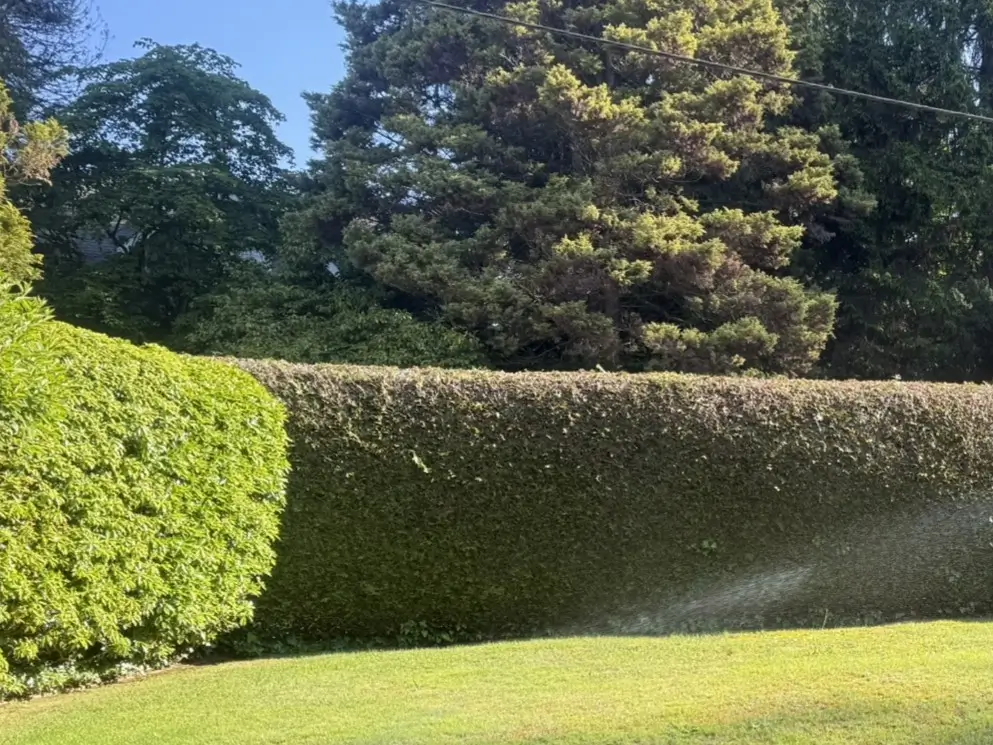
A tall, neatly manicured privacy hedge running along a green lawn being watered by an active lawn sprinkler mist on a sunny day, with dense evergreen trees in the background.

Long narrow planting

🌱 choose Hedge

3.Enter your garden size.

 📐A rough measurement is fine — this sets system scale and zone sizing.
4. How does your soil behave?

Not sure? Choose Loam.

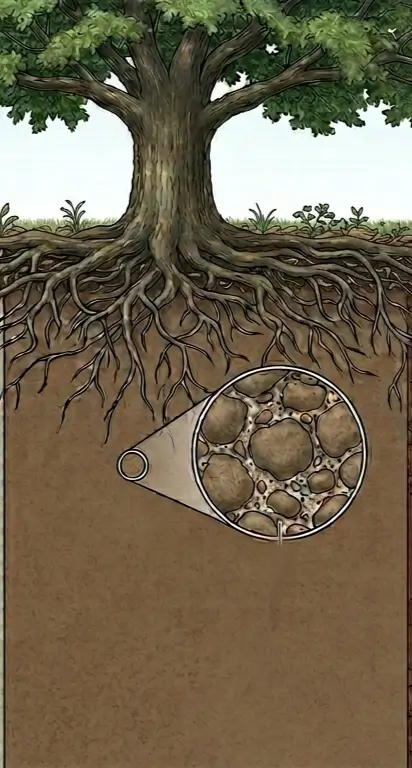
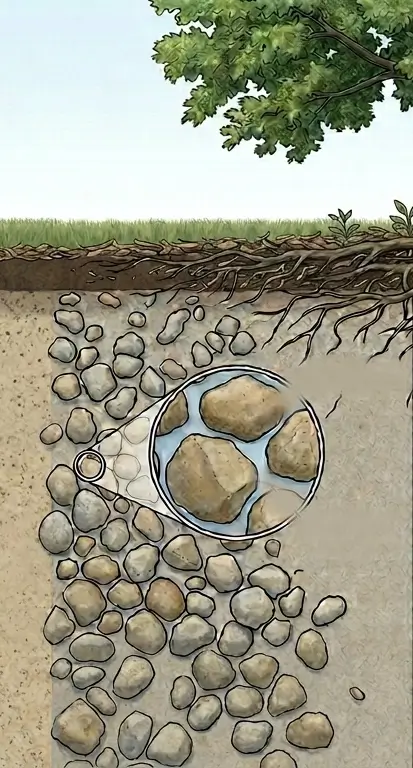
An architectural schematic diagram showing a cross-section of sandy soil with a magnifying lens highlighting large soil particles, rapid water drainage, and plant roots extending through a loose, gravelly subsurface layer.

Sandy

→ dries fast, needs more frequent watering

schematic diagram showing a cross-section of loam soil with a magnifying lens highlighting a balanced mixture of sand, silt, and clay particles holding moisture around a mature tree's root system.

 Loam

→ balanced, most common in Vancouver

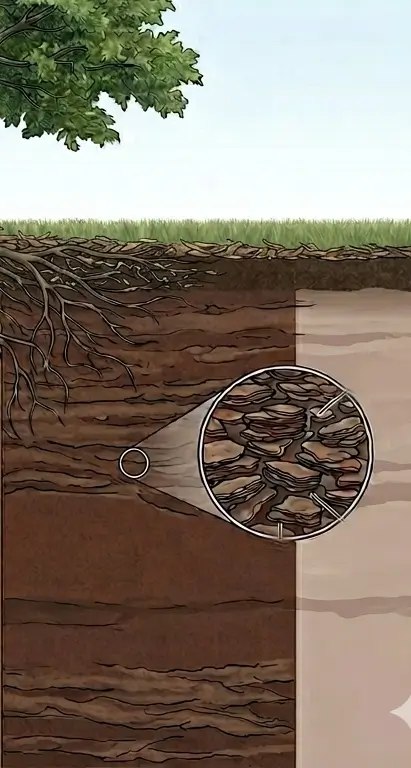
An architectural schematic diagram showing a cross-section of dense clay soil with a magnifying lens highlighting tightly packed, flat microscopic platelets that restrict water drainage and compress plant roots.

 Clay

→ holds water longer, needs slower irrigation

5. How much sun does the area get?

More sun = higher water demand.

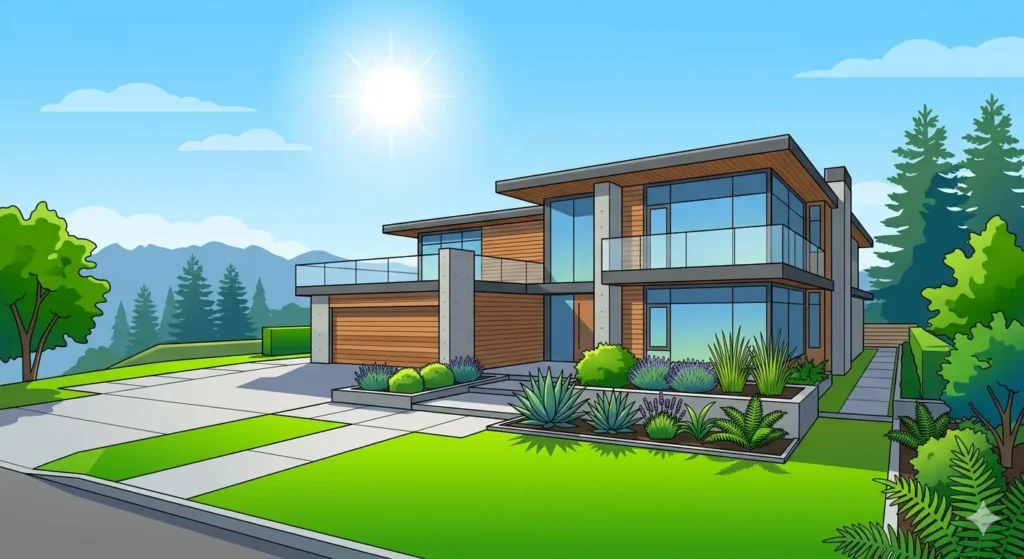
An architectural schematic illustration of a modern West Coast house under a bright, high noon sun, showing full sun exposure on a green lawn and open landscaping beds filled with ornamental grasses and shrubs.

 Full Sun

☀️ most of the day

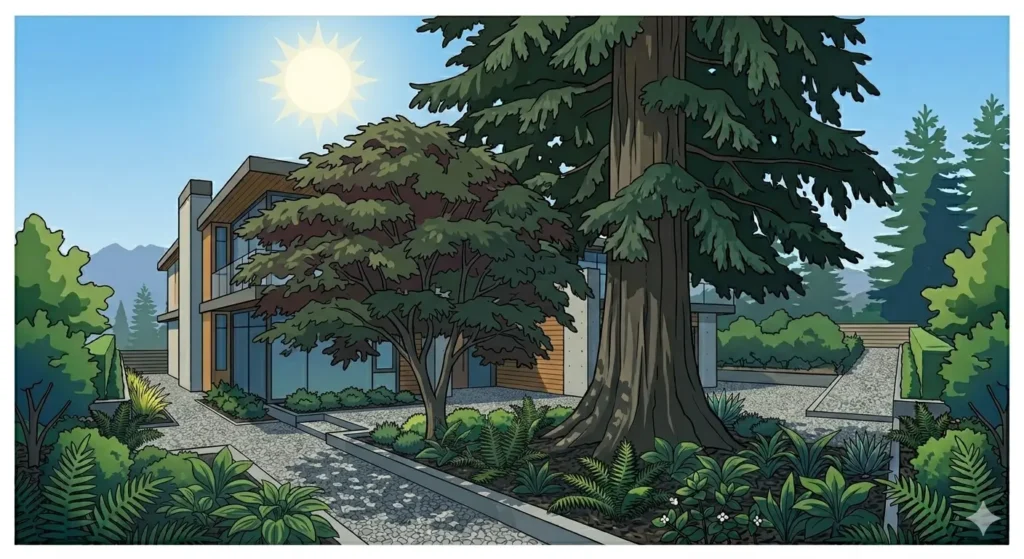
An architectural schematic illustration of a modern West Coast house in Vancouver, featuring partial sun and shade conditions with afternoon sunlight filtering through a large native Western Red Cedar tree onto garden beds.

Partial Sun/Shade

☀️ mixed light

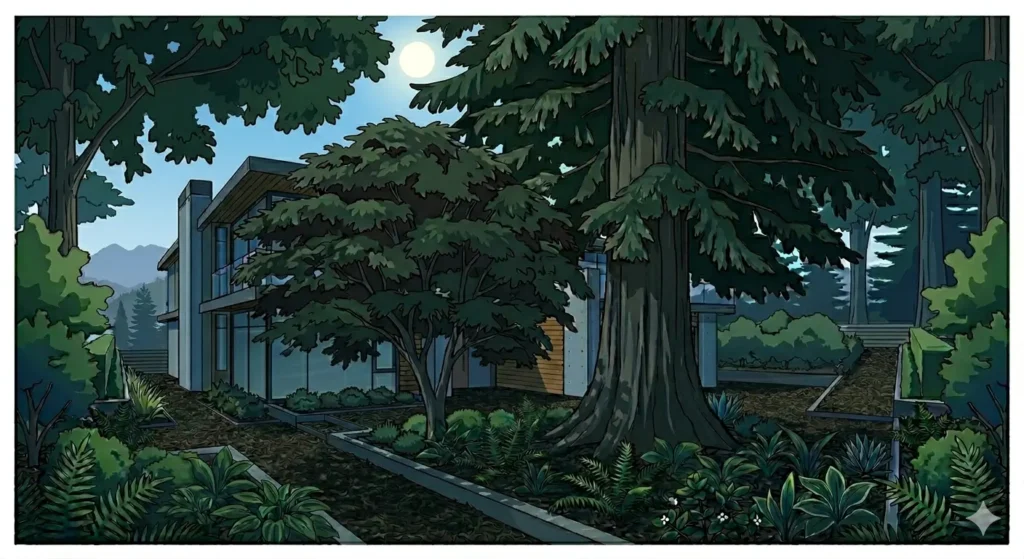
An architectural schematic illustration of a modern West Coast house in Vancouver, displaying full shade conditions with a high noon sun blocked by a massive native Western Red Cedar tree and thick building structure over a yard of ferns and hostas.

  Shade

☀️ limited direct sun

What This Tool Does

Dripline Selection

Matches emitter spacing and flow rate to your plants and soil.

Zone Sizing

Prevents overloading a single irrigation line.

Material Estimate

Gives a simple planning list before you buy anything.

Important Note

This is a planning tool only. Real systems depend on pressure, slope, and layout.